-
Red Flags When Hiring a Professional Trustee

When you form a trust as part of your estate plan, one important decision you will make is who will oversee the trust’s management when you are no longer able to manage it (also known as your successor trustee). Because a trustee’s work may be time-consuming, complicated, and risk liability, many people consider naming a…
-
Garn–St Germain Act: Inter Vivos Trust

A transfer to an inter vivos trust in which the borrower is and remains a beneficiary and that does not relate to a transfer of rights of occupancy in the property is protected by the Garn-St. Germain Act. An inter vivos trust is a trust that is created during the lifetime of the settlor. The…
-
Garn–St Germain Act: Estate Planning Transfers

Four of the nine Garn–St Germain Act due-on-sale exceptions are especially relevant for estate planning. Two of them are simple: a transfer to a relative resulting from the borrower’s death and a transfer to a spouse or child during the owner’s lifetime. Another is a transfer on the death of a joint tenant. In a…
-
What Happens When I Die?
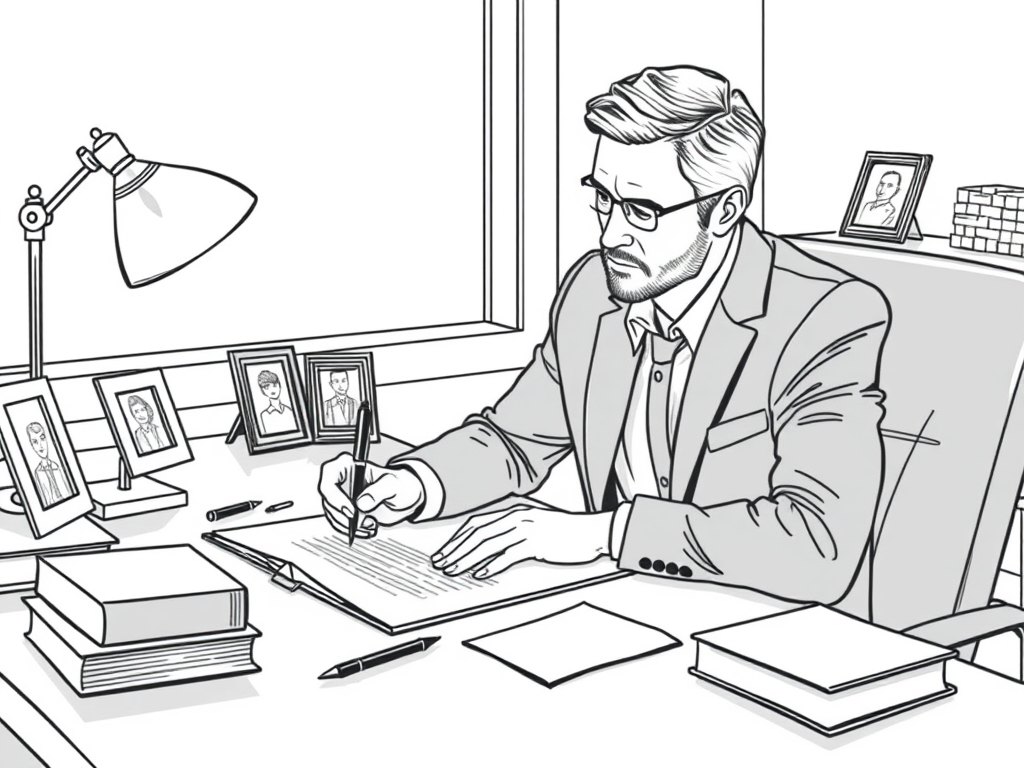
Spiritually, this is a question best left to religion or philosophy. But materially, you can specify what happens to your money and property after you pass away using a will or revocable living trust. A will is the most basic estate planning document that everybody should have. A will should name who will receive your…
-
Knives Out-Will Contest Requires Proof

When the Thrombey clan receives the news that they will inherit nothing, they shift their focus to contesting the will. The Thrombeys raise two arguments. They first suggest that Harlan lacked testamentary capacity, or was not of sound mind when he changed his will. However, the family eventually concedes that Harlan was in full possession…
-
What Types of Trustees are There?

An initial trustee is the decision maker that immediately starts managing the trust’s property. You may choose to be the initial trustee of a revocable living trust. However, for some types of irrevocable trusts, you will need to select someone else to be trustee. The successor trustee is the next in line to manage the…
-
Beneficiary as Co-Trustee

Another option that provides enhanced protection for the trust’s assets is to name the beneficiary as a trustee authorized to manage and invest the trust’s assets, and to name an independent co-trustee (sometimes called a distribution trustee) who is responsible for making discretionary trust distributions to the beneficiary. Although it is more complicated and expensive,…
-
Crypto’s Volatility and Estate Administration

Matthew Mellon died in April 2018 with an estate worth approximately $200 million. Much of his wealth came from the cryptocurrency XRP, but his will did not mention his cryptocurrency His XRP needed to be liquidated to pay his outstanding debts and taxes. However, Mellon had entered into an agreement that limited the amount of…
-
How to Avoid Probate

Ideally, when someone passes away, the paperwork and material concerns associated with the deceased’s passing are so seamlessly handled that they fade into the background. To that end, many people strive to avoid the complications and costs of probate. There are numerous tools one can use to keep their money and property out of probate,…
-
How Does a Trust Help Avoid Probate?

The purpose of probate is to transfer property ownership for all accounts and property that are owned in your sole name and that do not have a beneficiary, pay-on-death, or transfer-on-death designation. A trust can bypass this process because your accounts and property are either transferred to the trust while you are alive, or the…

Category: Trust
Eckert & Krautkramer, LLC
Protecting Assets, Preserving Dignity, Ensuring Peace of Mind

Newsletter
Subscribe to our periodic email newsletter – full of legal updates and best practices.
By submitting this form, you are consenting to receive marketing emails from: Eckert & Krautkramer, LLC, 630 N. 4th St., Wausau, WI, 54403, http://www.eklawwi.com. You can revoke your consent to receive emails at any time by using the SafeUnsubscribe® link, found at the bottom of every email. Emails are serviced by Constant Contact