-
Keeping Property in the Family

For many families, the cabin, cottage, hunting land, or family farm is more than real estate—it is where memories are made and traditions are passed from one generation to the next. Without proper planning, these cherished properties can become the source of family disagreements, forced sales, or even be at risk to help pay for…
-
Common Mistakes Successor Trustees Make
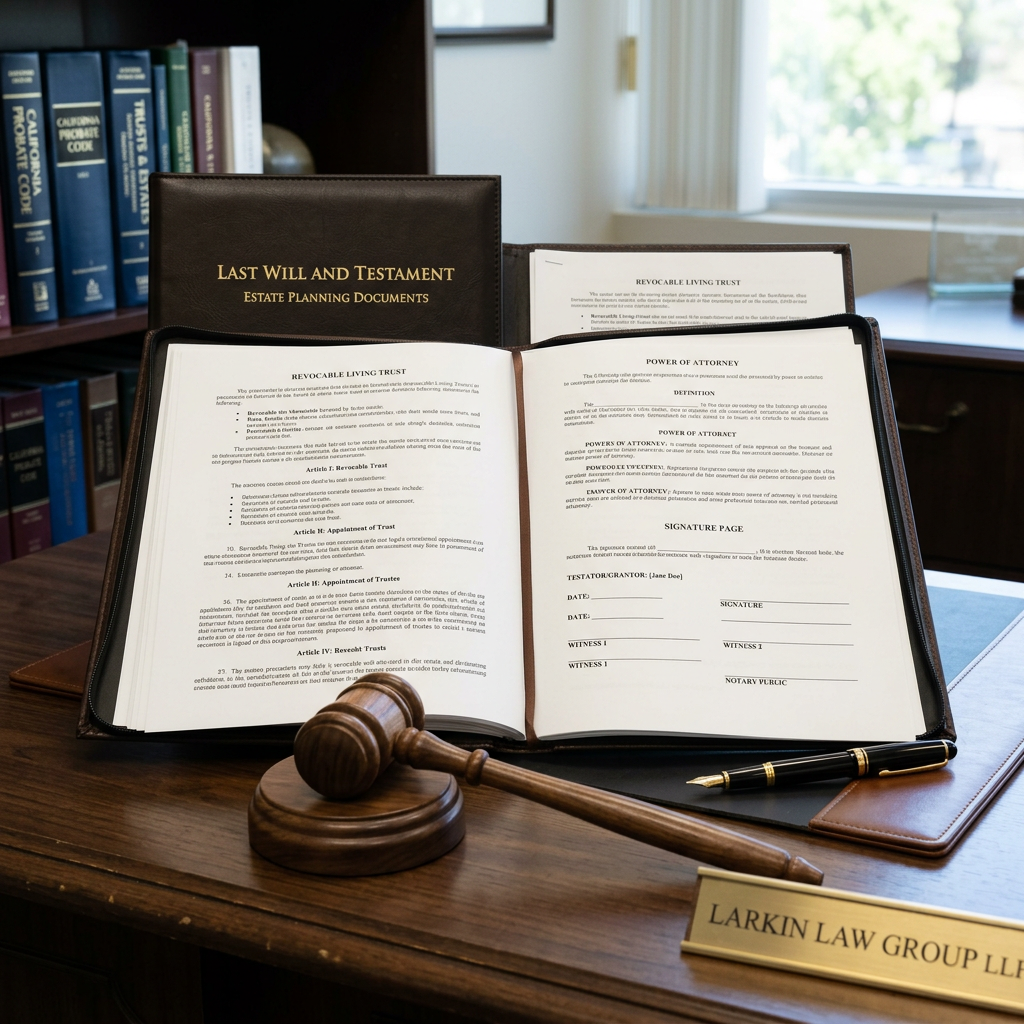
Being named as a successor trustee is an honor, but it also carries significant legal responsibilities. Many trustees assume they can immediately distribute assets, only to discover they must first follow the trust’s instructions, identify and value assets, pay valid debts, address tax issues, and keep accurate records. Other common mistakes include failing to communicate…
-
Self-Settled Special Needs Trust

Receiving an inheritance, settlement, or other assets can create an unexpected problem for individuals with disabilities who rely on means-tested benefits such as Medicaid or Supplemental Security Income (SSI). In many cases, receiving assets outright can jeopardize eligibility for these important programs. A self-settled special needs trust may provide a solution. This trust allows assets…
-
Pot Trusts Explained for Families

A pot trust can be a valuable estate planning tool for families with children, grandchildren, or beneficiaries whose needs may change. Instead of dividing assets into fixed shares immediately, a pot trust keeps assets together in a single fund, allowing the trustee to make distributions based on each beneficiary’s situation. This flexibility can help address…
-
Second Marriages and Blended Families

Second marriages and blended families bring unique estate planning challenges. Without careful planning, the results can be very different from what you intend. It’s common to want to provide for a current spouse while also protecting an inheritance for children from a prior relationship—but a simple will or beneficiary designation often isn’t enough to accomplish…
-
Using a Testamentary Trust for a Child

Instead of using a simple will to leave assets to children, consider creating a trust for their inheritance. Called a testamentary trust, this type of trust allows you to name someone to manage the inheritance and decide when and how your children will receive it. However, this type of trust comes into existence only after…
-
Leaving Assets to Minor Children

When leaving money and property to minor children, even the best intentions can lead to problems. Many parents assume that a simple will is all they need since that is where they can nominate a guardian for their minor children. However, a simple will requires that beneficiaries (even children) receive their inheritances outright in one…
-
Tips for Commitment Without Marriage

More couples than ever are building deep, lasting relationships without ever walking down the aisle. Many couples are opting out of marriage, but not out of commitment. However, the law has not kept pace with modern relationships. If you and your partner choose not to marry, you must have an estate plan tailored to your…
-
The Power of a Trust for an Inheritance

A trust is a powerful tool many parents use to protect their children’s inheritances. An inheritance left in a trust can be safeguarded from numerous risks. Instead of giving an inheritance outright—where it can be lost to creditors, divorce, poor decision-making, or unexpected life events—a trust keeps those assets sheltered and managed for a child’s…
-
How Your Children Receive Their Inheritance

Inheritance planning is not just about how much each child gets but also about how they receive it. These decisions can be different for each child. For older children who responsibly manage their finances, a lump sum may be the right choice. For younger adult children, you could consider distributing the inheritance in installments at…

Category: Trust
Eckert & Krautkramer, LLC
Protecting Assets, Preserving Dignity, Ensuring Peace of Mind

Newsletter
Subscribe to our periodic email newsletter – full of legal updates and best practices.
By submitting this form, you are consenting to receive marketing emails from: Eckert & Krautkramer, LLC, 630 N. 4th St., Wausau, WI, 54403, http://www.eklawwi.com. You can revoke your consent to receive emails at any time by using the SafeUnsubscribe® link, found at the bottom of every email. Emails are serviced by Constant Contact